
Get Ground Hydrant Installation
Ground hydrant installation services help property owners ensure reliable fire safety by installing durable, code-compliant hydrants for emergency access on commercial or industrial sites.
Ground hydrant installation is an essential service for property owners seeking reliable access to water during emergencies or for routine maintenance. Whether planning for fire safety, irrigation, or other operational needs, understanding the options available in the local area can help ensure the right system is chosen. Property owners often explore this work to enhance safety measures, improve water accessibility, or meet local regulations, making it a practical consideration for many types of properties.
Finding the right contractor for ground hydrant installation involves comparing local service providers with experience in handling these specialized projects. By reviewing available options, property owners can identify trusted contractors capable of delivering quality work tailored to their specific needs. Continuing to explore local options ensures that the project aligns with practical requirements and helps make informed decisions about installing ground hydrants on a property.
- Ground Hydrant Installation - when a property requires a reliable water source for firefighting or emergency access.
- Ground Hydrant Repair - if existing hydrants are malfunctioning or damaged and need professional restoration.
- Ground Hydrant Maintenance - to ensure hydrants remain operational and compliant with local safety standards.
- Ground Hydrant Replacement - when outdated or broken hydrants need to be upgraded or fully replaced.
- Ground Hydrant Inspection - to assess the condition and functionality of hydrants for safety and code compliance.
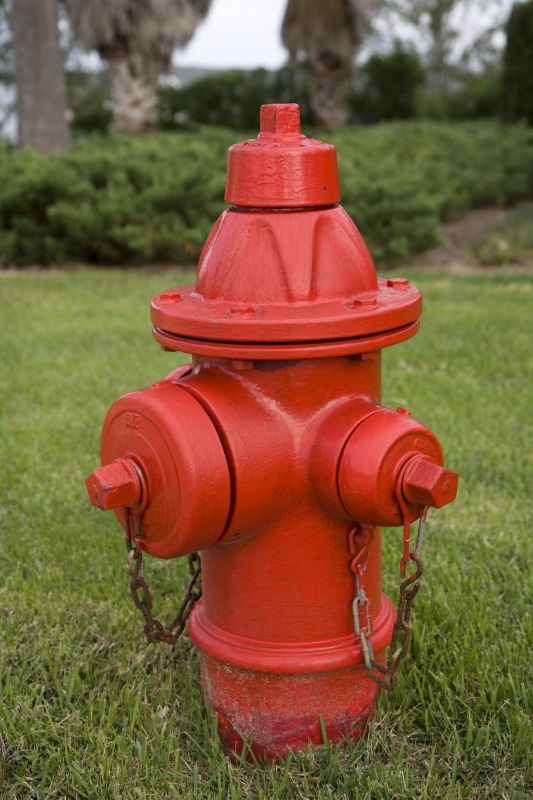
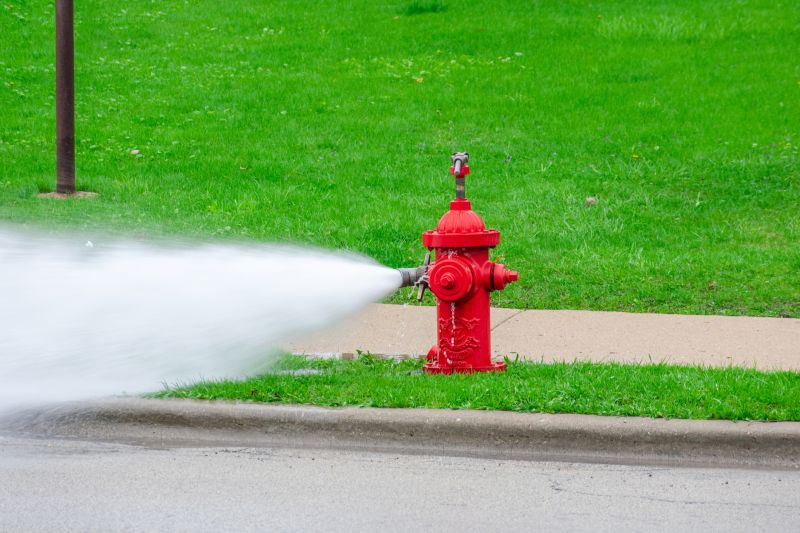
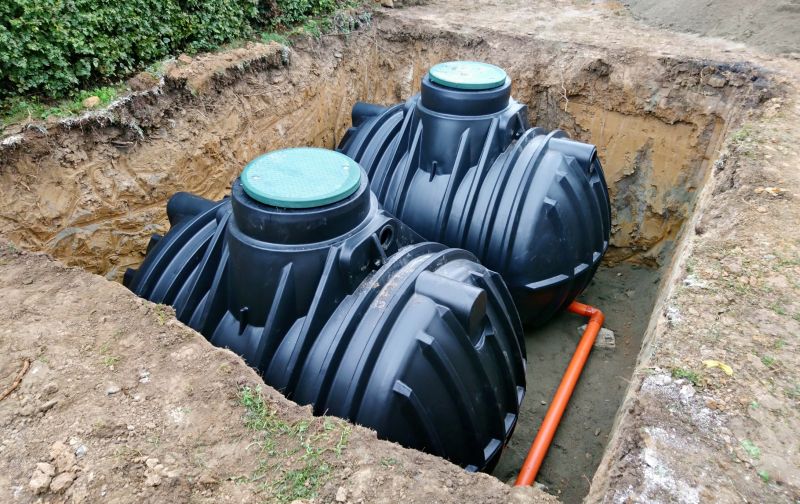
Ground hydrant installation involves setting up durable, underground water sources designed to provide reliable access to water for firefighting and emergency response. These systems typically consist of a valve, a sturdy pipe, and a valve box, all installed below ground level to remain accessible yet protected from the elements. Proper installation ensures that firefighters and emergency personnel can quickly connect hoses and access water during critical moments, especially in areas where traditional fire hydrants are not available or feasible.
This service helps address common problems such as limited water access in rural or remote properties, inadequate fire protection infrastructure, or the need for additional water sources in large commercial or industrial sites. Ground hydrants can also be useful in areas prone to wildfires or where existing above-ground hydrants are difficult to maintain or operate. By providing a dependable water supply, these systems can help improve safety and reduce damage caused by fires, especially in locations where standard fire hydrants are not present or sufficient.
Properties that typically use ground hydrant installation include farms, large estates, industrial facilities, and commercial properties with extensive outdoor areas. Rural homes or properties located far from municipal water lines often benefit from these systems to ensure firefighting capabilities are readily available. Additionally, some municipalities or fire districts may require or recommend ground hydrants in specific zones to enhance overall community safety, making them a practical choice for any property seeking reliable, accessible water sources for emergencies.
When considering ground hydrant installation, property owners should evaluate their specific needs, property layout, and local fire safety requirements. Local contractors specializing in underground water systems can assess the site and recommend the appropriate type and placement of hydrants to ensure optimal functionality. Connecting with experienced service providers can help property owners enhance their fire protection measures, especially in areas where traditional hydrant access is limited or unavailable.
The overview below groups typical Ground Hydrant Installation projects into broad ranges so you can see how smaller, mid-sized, and larger jobs often compare in your area.
In many markets, a large share of routine jobs stays in the lower and middle ranges, while only a smaller percentage of projects moves into the highest bands when the work is more complex or site conditions are harder than average.
Smaller Repairs - typical costs for minor ground hydrant repairs or part replacements usually fall between $250 and $600. Many routine maintenance jobs land within this range, making them the most common type of project handled by local contractors.
Standard Installations - installing a new ground hydrant in a standard setting generally costs between $1,000 and $3,000. Projects of this size are quite common and often involve straightforward setups for residential or small commercial properties.
Full Replacement - replacing an existing ground hydrant with a new unit can range from $2,500 to $5,000 depending on the complexity of the site. Larger or more complex projects, such as those requiring extensive excavation, tend to push costs toward the higher end.
Large or Complex Projects - extensive installations or custom setups with additional infrastructure can exceed $5,000, with fewer projects falling into this high-cost range. These jobs typically involve detailed planning and specialized equipment handled by experienced local service providers.
Actual totals will depend on details like access to the work area, the scope of the project, and the materials selected, so use these as general starting points rather than exact figures.
Underground Water System Installation - professionals who install underground water systems often have skills in trenching, piping, and site planning similar to ground hydrant installation projects.
Irrigation System Setup - setting up irrigation systems requires knowledge of water flow, valve placement, and underground piping, aligning closely with ground hydrant installation techniques.
Fire Suppression System Installation - installing fire suppression systems involves underground piping and water source connections, sharing planning and excavation skills with ground hydrant work.
Storm Drainage System Construction - building storm drainage involves trenching and underground piping, which are comparable to the skills used in ground hydrant installation.
Utility Pole and Conduit Installation - work with underground conduits and utility connections provides experience with planning and excavation similar to hydrant setup.
Sprinkler System Installation - installing sprinkler systems requires underground piping and water source integration, making it a related project involving similar tools and planning.
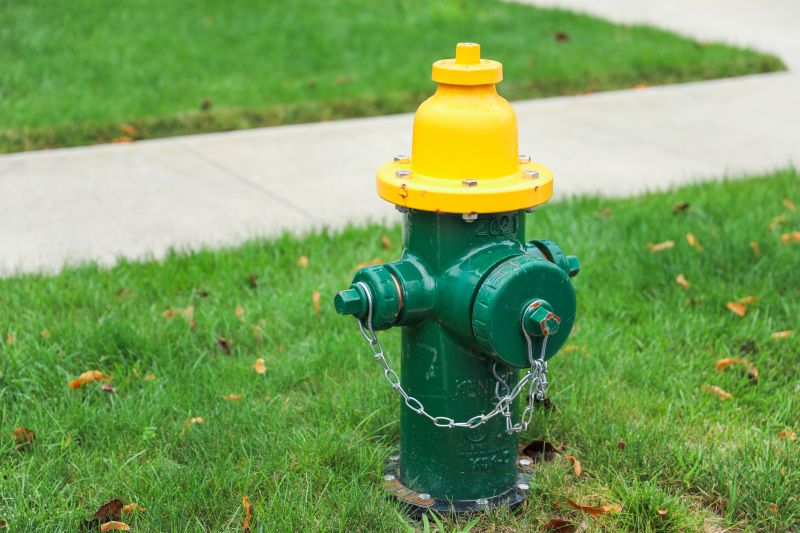
When comparing service providers for ground hydrant installation, it’s important to consider their experience with similar projects. Homeowners should look for local contractors who have a proven track record of handling ground hydrant installations or related underground water system work. An experienced professional is more likely to understand the complexities involved and deliver a reliable, properly executed project. Asking for examples of past work or references from previous clients can provide insight into their familiarity with this type of installation and their ability to meet project requirements effectively.
Clear, written expectations are essential when evaluating potential service providers. Homeowners should seek detailed descriptions of the scope of work, materials to be used, and the process involved in the installation. Having this information in writing helps ensure there are no misunderstandings and provides a basis for comparison between different local contractors. Well-defined expectations also enable homeowners to assess whether the service provider’s approach aligns with their needs and preferences, fostering a smoother project experience.
Reputable references and good communication are key indicators of a dependable ground hydrant installation service provider. Local contractors with positive references from past clients demonstrate a history of satisfactory work and professionalism. Additionally, clear and responsive communication throughout the inquiry process can reveal how well the service provider understands client needs and how effectively they convey project details. While this site introduces homeowners to local options, it’s important to remember that choosing a qualified, communicative, and experienced contractor is crucial for a successful ground hydrant installation.
Property owners use Ground Hydrant Installation services for practical projects around their homes and businesses. This guide focuses on everyday jobs and straightforward project options.
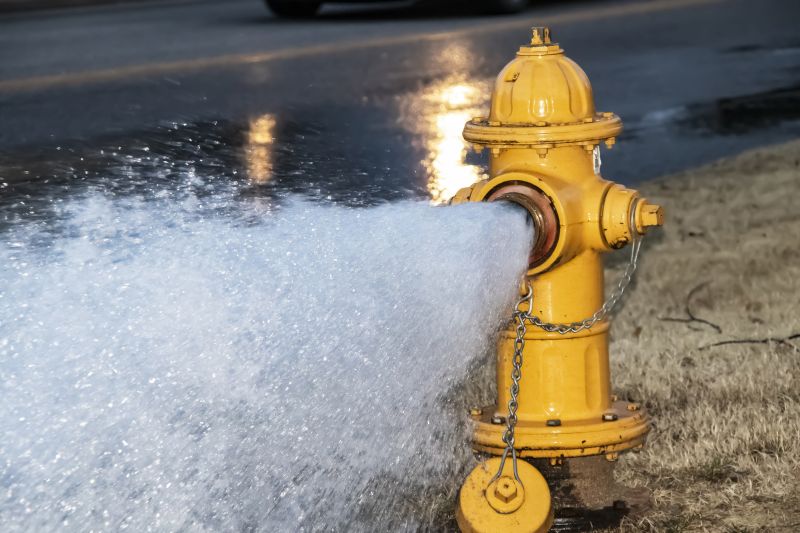
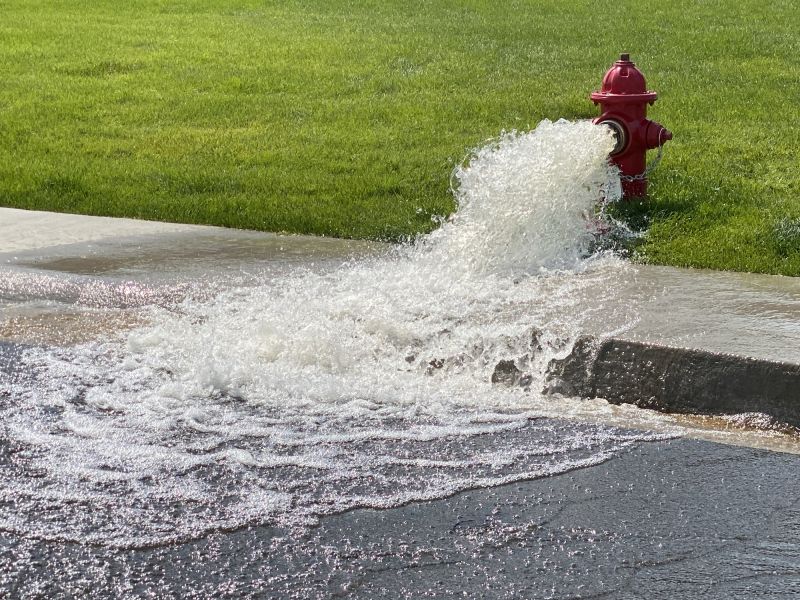
Ground hydrant installation is a common need for property owners who require reliable access to water in emergency situations or for routine maintenance. Local contractors can assist with installing these systems in residential, commercial, or industrial settings, ensuring that the hydrants are positioned correctly and function properly when needed. Whether upgrading existing fire protection infrastructure or installing new systems, property owners often seek professional help to ensure the work meets local standards and is completed efficiently.
Many property owners turn to local service providers when they need ground hydrants installed for safety, fire protection, or operational purposes. Situations such as expanding a facility, preparing for inspections, or replacing aging equipment can prompt the need for expert installation. Local contractors have the experience to handle various project sizes and site conditions, helping property owners safeguard their premises and comply with local regulations.
What is ground hydrant installation? Ground hydrant installation involves setting up underground water access points that provide convenient fire protection and water supply for properties and fire departments.
Who can handle ground hydrant installation? Local contractors specializing in fire protection systems or underground water infrastructure can perform ground hydrant installation services.
What are the benefits of installing a ground hydrant? Installing a ground hydrant can improve access to water for firefighting efforts and enhance property safety by providing reliable water sources.
How do I find qualified ground hydrant installation providers? You can contact local service providers who offer fire protection and water infrastructure services to compare options and connect with experienced contractors.
What factors should be considered before installing a ground hydrant? Important considerations include the property's water supply capacity, local regulations, and the intended use of the hydrant system.
Ground Hydrant Installation - Property owners can enhance fire safety by installing ground hydrants for quick access during emergencies.
Property Development Projects - Developers can include ground hydrants to meet safety codes and improve access for fire services.
Fire Safety Upgrades - Upgrading existing fire protection systems with ground hydrants can increase readiness on larger or older properties.
Rural or Large Property Planning - Landowners with extensive grounds can plan for ground hydrants to ensure fire protection across the property.
If you are thinking about Ground Hydrant Installation for a property, this guide is meant to help you understand the work, the typical project types, and how different options might fit your plans.
When you are ready, you can use the quote form on this page to share a few details about your project. From there, local pros can review the basics and respond with options that match what you have in mind.